
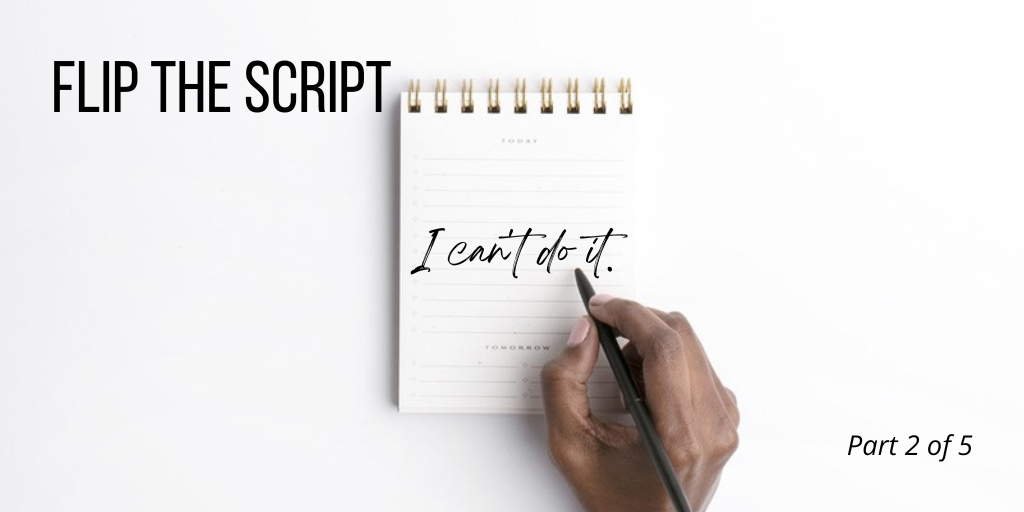
I hear this word often from high-capacity leaders. And I get it, because I feel it too.
You throw yourself into the deep end of the pool. You take on more than you can handle right now. The pace doesn’t let up and you can feel the wheels coming loose.
So you say the thing that feels most true:
“I’m overwhelmed.”
Here’s what I want to offer you: that one word is working against you.
Think about it this way. If you walked into your doctor’s office and said “I don’t feel good,” they can’t help you. They need specifics. Where does it hurt? When did it start? What does it feel like?
Your emotions work the same way.
In Atlas of the Heart, Brené Brown writes about emotional granularity, which is the idea that the more precisely you can name what you’re actually feeling, the more power you have to respond to it.
“Overwhelmed” is a catch-all. It tells your nervous system that everything is on fire without giving you any information about what actually needs your attention. So, you shut down.
Flip the script: Overwhelm is a signal, not a sentence.
Get more specific. Ask yourself:
- Am I anxious about a particular decision I’ve been avoiding?
- Am I resentful about something I said yes to when I should have said no?
- Am I grieving something I’ve had to let go of or lost?
- Am I exhausted in a way that has been building for a long time?
Those are all real. All specific. AND all addressable.
“Overwhelmed” is a wall. A more precise emotion is a door.
And here’s the other piece: what you focus on expands.
If “I’m overwhelmed” is your constant story, your whole system organizes around managing the overwhelm. Every decision. Every conversation. Every hour of your day gets filtered through that lens.
When everything is everything, of course that’s paralyzing!
What if you named something smaller, more specific, and more true… and worked with that instead?
That is not a small shift. That is THE shift.
Name it. Then ask: what does this actually need from me right now?

